No KingsDay👑 MARCH 28 NO THRONES, NO CROWNS, NO KINGS…
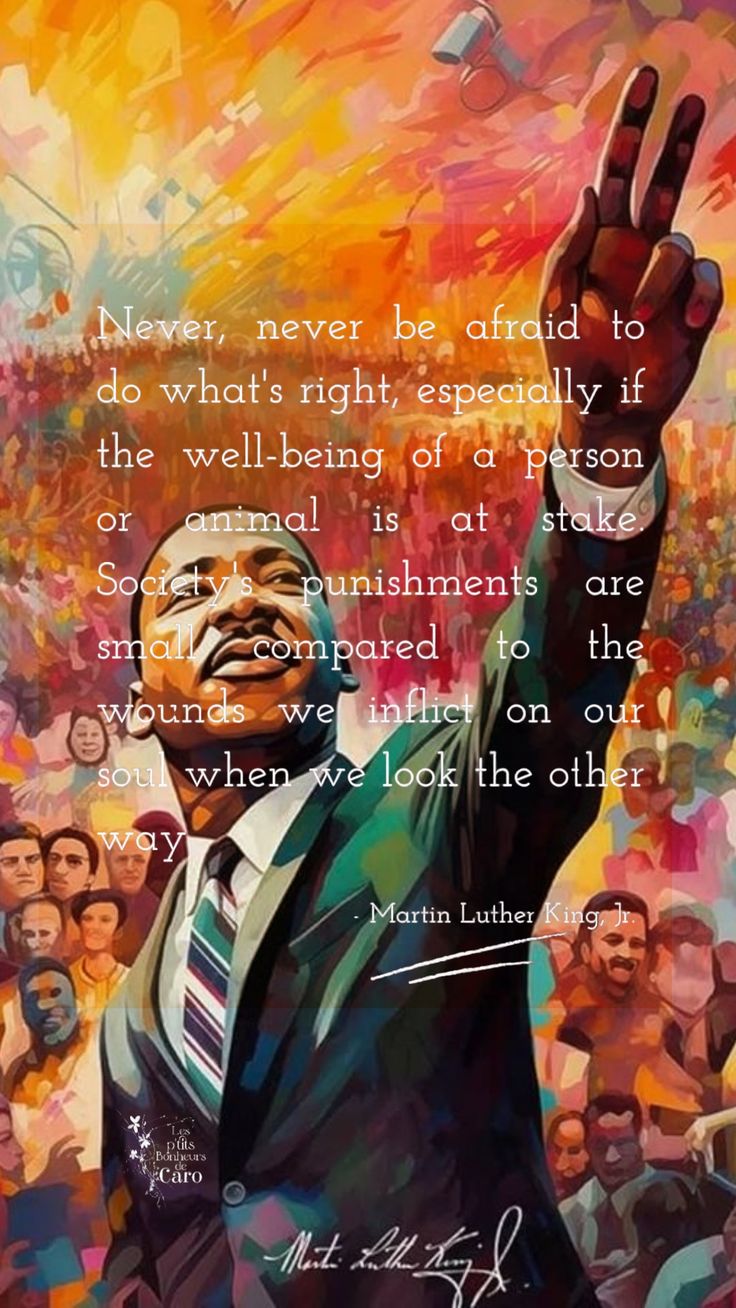
Never, never be afraid to do what’s right, Especially if the well-being of a person or animal is at stake. The Society’s punishments are small compared to the wounds we inflict on our souls when we look the other way…
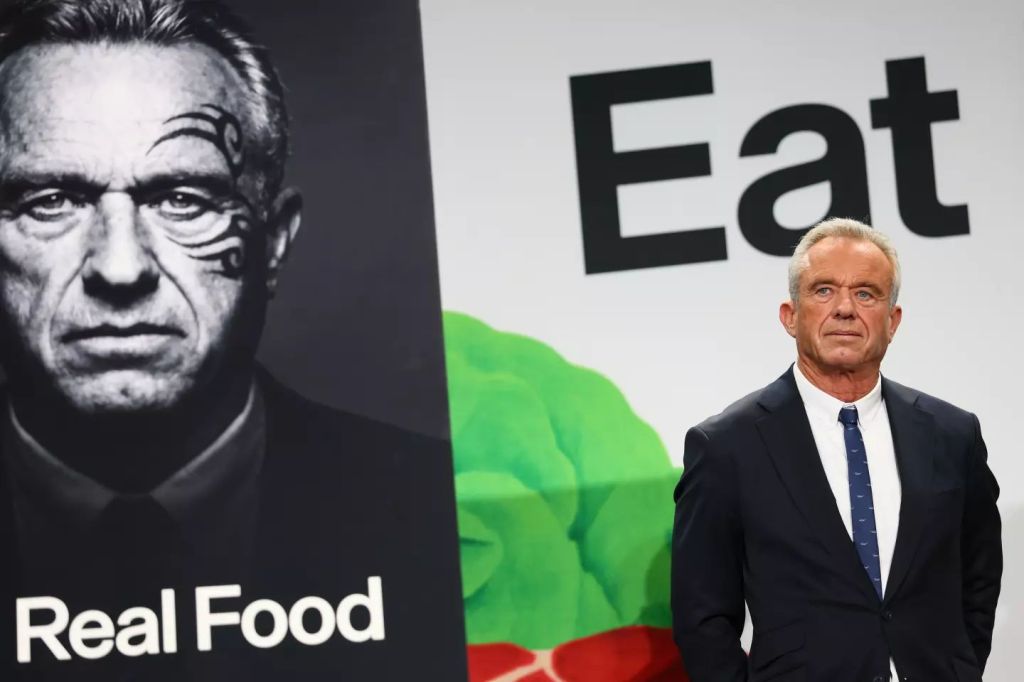
Robert F. Kennedy Jr. fired all 17 members of the Advisory Committee on Immunization Practices last year, replacing them with vaccine skeptics. (Michael M. Santiago / Getty Images)
This week, Secretary of Health and Human Services Robert F. Kennedy Jr. — the individual entrusted with safeguarding the health of 330 million Americans — posted a 90-second video of himself and Kid Rock doing shirtless calisthenics in blue jeans, riding a stationary bike in the sauna, doing a slow-motion cold plunge and toasting glasses of whole milk in the pool. The internet responded with memes and mockery. I sat in my office at UCLA, where I’ve practiced pulmonary and critical care medicine for more than 40 years, and I did not laugh.
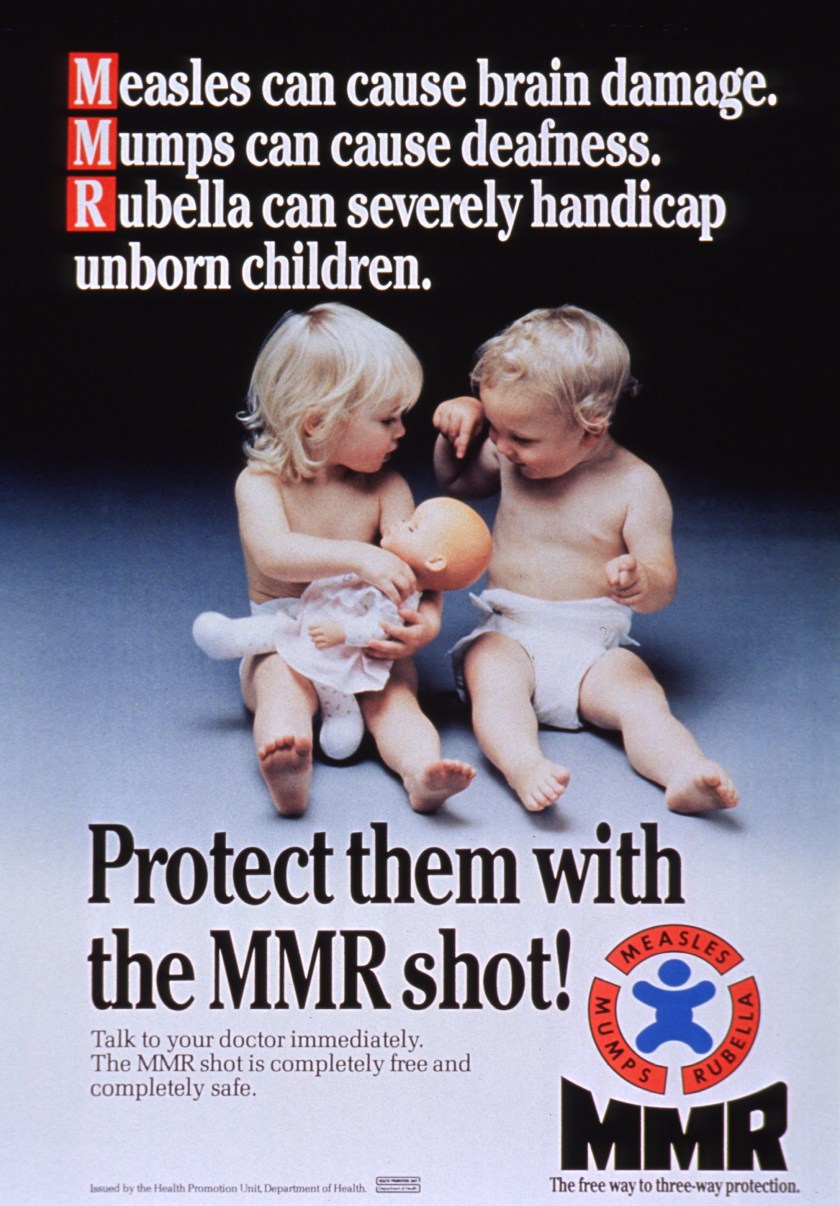
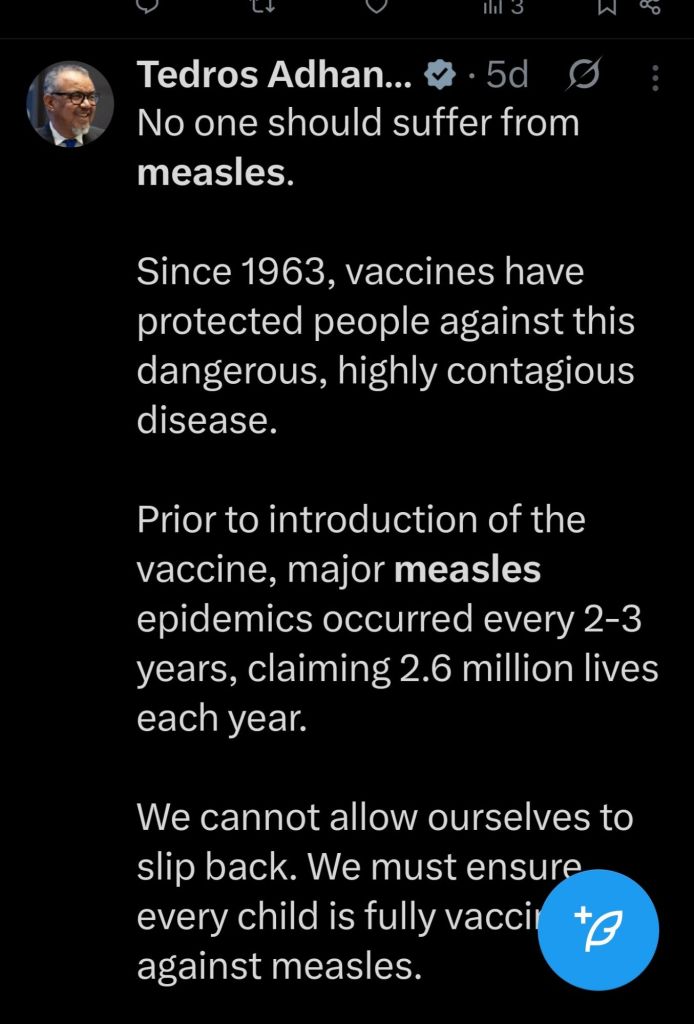
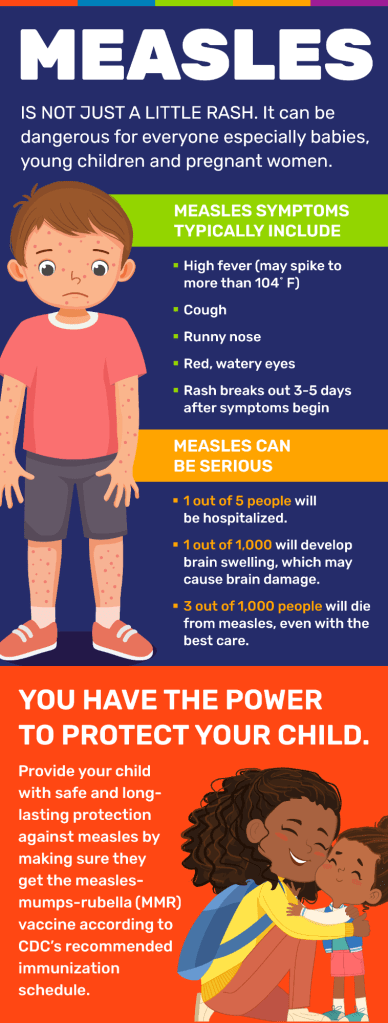
Because here’s what was not in that video: the more than 2,200 Americans who contracted measles in 2025, in a country that effectively eliminated the disease in 2000. The three who died. The more than 900 confirmed cases already reported in the U.S. in 2026. The children in South Carolina — totaling nearly 1,000 cases from a single outbreak — whose parents were persuaded by rhetoric this secretary spent decades amplifying about how the MMR vaccine was more dangerous than the disease. It is not. Decades of rigorous science have shown it is not.
When the absurd reaches a certain pitch, mockery is a natural defense. But I worry we’ve become so numbed by spectacle, so conditioned to treat governance as entertainment, that we’ve lost our capacity for the emotion this moment demands: genuine outrage. The real thing. The kind that mobilizes physicians, parents and legislators to say, “This is not acceptable.”
Let me be precise about what Kennedy has done in his first year as HHS Secretary, because the shirtless antics are designed to distract you from it.
He fired all 17 members of the Advisory Committee on Immunization Practices — the expert panel that has guided national vaccine policy for decades — and replaced them with vaccine skeptics. He forced out Centers for Disease Control and Prevention Director Susan Monarez. He cut National Institutes of Health funding, gutting cancer research and addiction treatment programs. He stopped federal support for mRNA research — one of the most significant advances in the history of immunology, being developed for vaccines against multiple sclerosis, influenza and certain cancers. When the FDA initially rejected Moderna’s mRNA flu vaccine this month on what experts called ideological grounds, only public backlash forced a reversal — during one of the worst flu seasons in modern history.
Then, last month, Kennedy gutted the childhood immunization schedule, reducing universally recommended vaccines from ages 11 to 17. Hepatitis A, hepatitis B, rotavirus and influenza were relegated to “shared clinical decision-making” — a bureaucratic euphemism for abandonment. Routine recommendations trigger automatic prompts in electronic medical records and allow nurses to vaccinate under standing orders. Shared decision-making requires a physician at every vaccination decision, creating bottlenecks that will reduce uptake among the more than 100 million Americans without regular primary care access.
During Kennedy’s 2025 confirmation hearings, he told senators under oath: “I support vaccines. I support the childhood schedule.” Sen. Bill Cassidy, a Republican physician from Louisiana, voted to confirm Kennedy explicitly on those pledges. Every pledge has been broken. The lone Republican who voted against him — Sen. Mitch McConnell of Kentucky, a polio survivor — warned his colleagues. They did not listen. Trust in the CDC has since plummeted from 66% to 54%. Confidence in MMR vaccine school requirements among Republicans has fallen 27 points in just six years.
These are not poll numbers. They are harbingers of future outbreaks, future hospitalizations, future deaths.
I’ve seen this before. I was an intern at UCLA in the early 1980s when the first cases of what we would come to call AIDS appeared on our wards — young men dying of infections we had never seen in previously healthy patients. I watched an institution and a government fail to respond with the urgency a nascent epidemic demanded, and I watched people die because of that failure. The lesson was not subtle: When public health leadership falters, when ideology supplants science, when the people in charge decide that politics matters more than medicine, people die. Not in the abstract. In beds. In hospitals. In Los Angeles.
I am watching it happen again. The United States is poised to lose its measles elimination status — an achievement that took decades to build. Kennedy’s newly appointed CDC deputy Ralph Abraham responded to this prospect by calling it “just the cost of doing business.” Three people died of measles in this country last year. The cost of doing business.
So, when I see the Secretary of Health and Human Services drinking whole milk in a pool with Kid Rock, I do not see comedy; nor should the response be memes or sarcasm. I see a man who bears direct responsibility for the resurgence of vaccine-preventable disease in the most medically advanced nation on Earth, performing a grotesque pantomime of wellness while children get sick. That is not a joke. It is a scandal. And it is long past time we treated it as one…
Robert B. Shpiner is a clinical professor of medicine at UCLA…
You will teach them to fly Not fly your flight You will teach them to dream Not dream your dream You will teach them to live Not live your life Every flight, life dream The print of the way you taught them will remain… #Children💕🙏🏼🌈
~ Mother Teresa Art…Perodog via Devianta
Yes…I do believe…
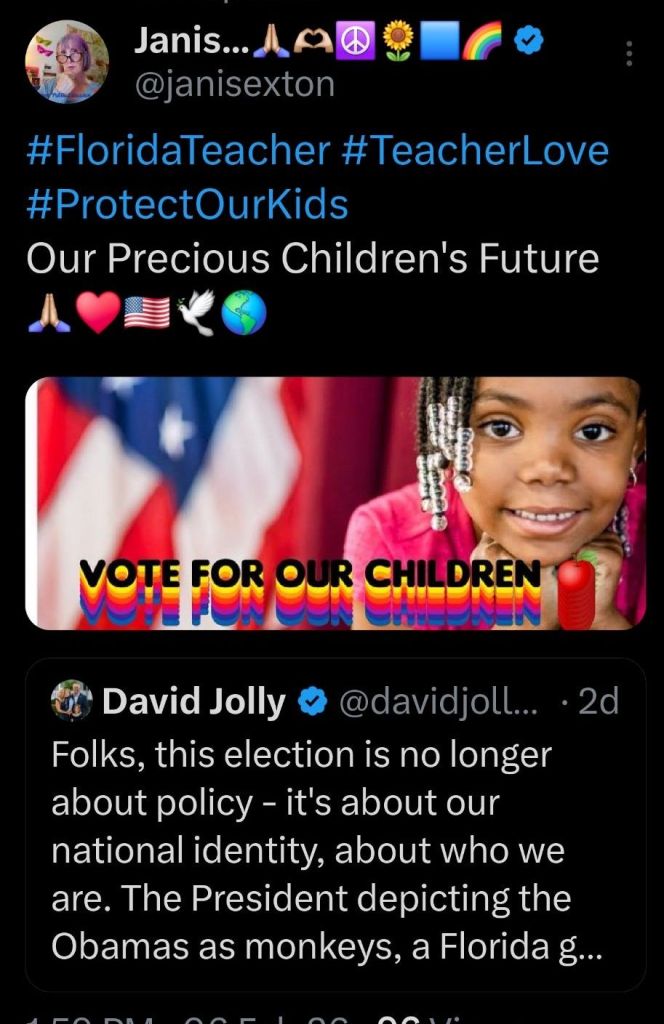
We have a good fight ahead.. With Love and Hope for Our Precious Children’s Future… 🙏🏼♥️🍎🕊🌎
~You can run for office
~You can donate to a candidate you believe in
~You can protest
~You can call your representative
~You can read the newspaper instead of Twitter…
You can volunteer…
You can donate to a cause you believe in…
You can stay here and fight!
And… Most importantly… You can vote … #everyelection
When will we determine the appropriate moment to initiate impeachment proceedings, or even to advance this process? Our governmental institutions are jeopardized by the overt actions of an unethical and immoral president who seemingly believes he can act with impunity… Each passing day underscores this concern…
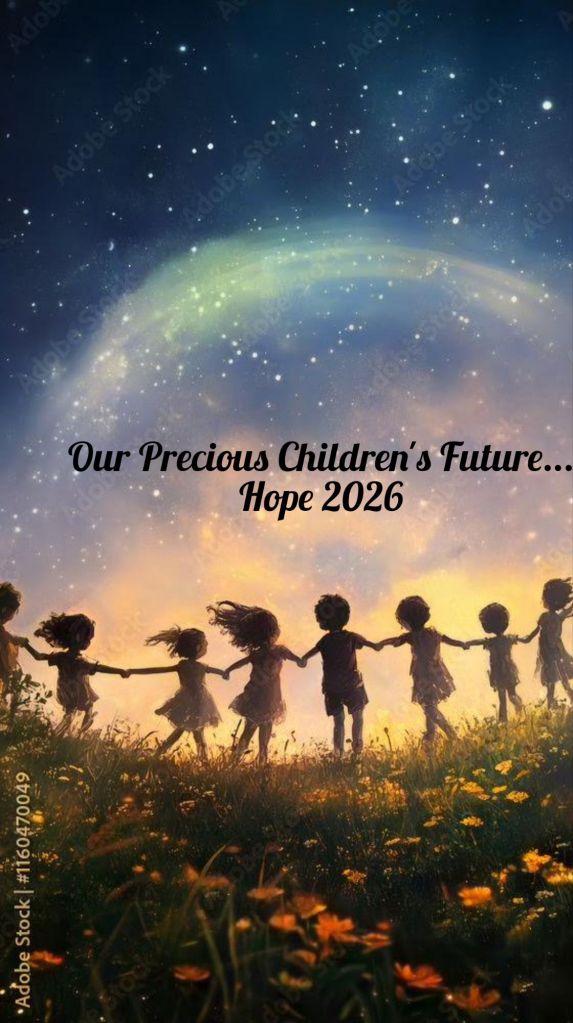
The future of our precious children is currently at a critical juncture…
#impeach #GoodTrouble
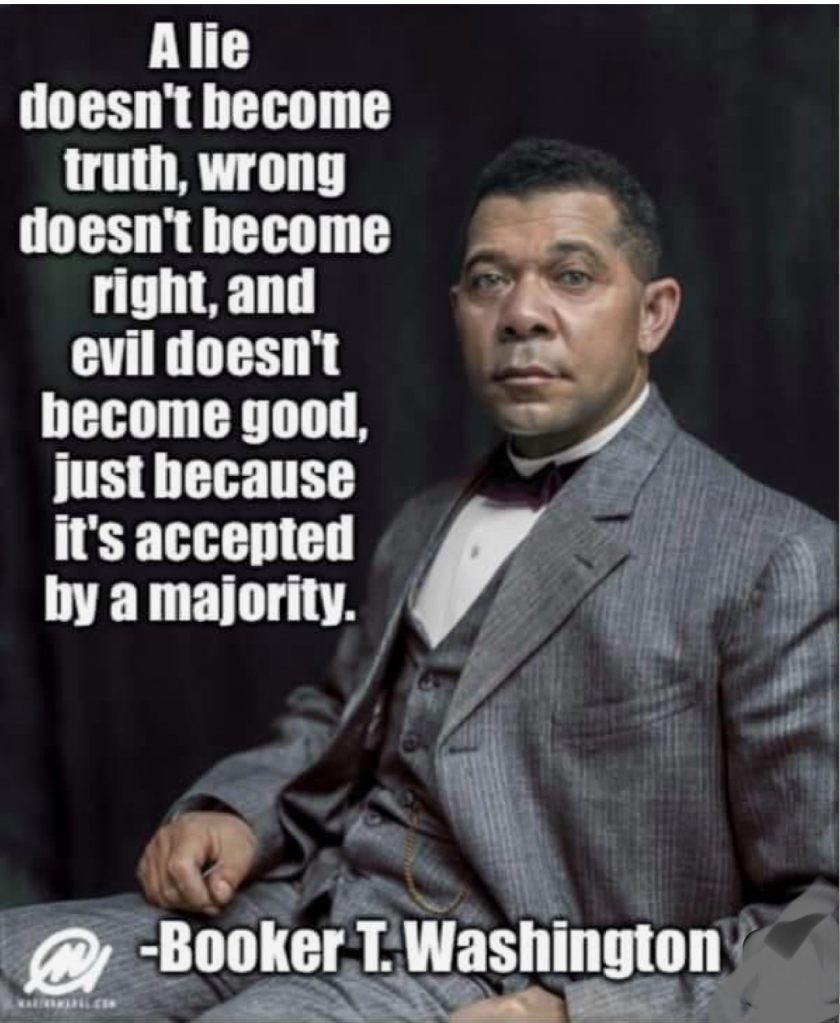
A lie doesn’t become truth, wrong doesn’t become right, and evil doesn’t become good, just because it’s accepted by a majority.
Have we learned any lessons from our past? Our country remains divided, and our leaders have not adequately funded our schools to support the success of many children…
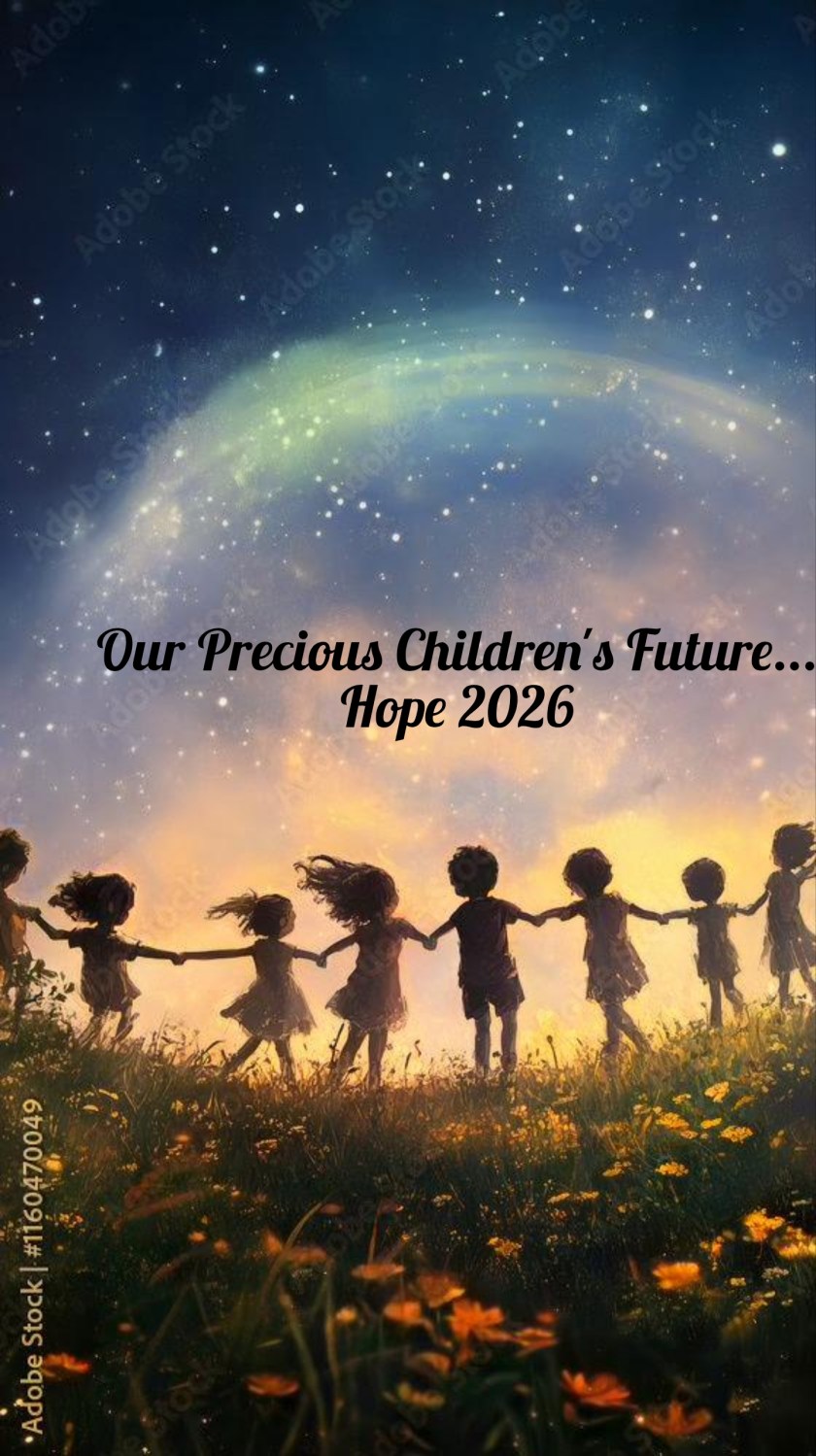
Our Precious Children’s Hope…
I hope this New Year brings more opportunities for learning…Let’s all work together supporting their efforts..Keeping our schools happy and safe…
Ever so Hoping for that better day…
We are so much better when we are united in Humanity…
Tis the Season of Giving… PeaceAnd…. AlTogetherLove…
Be kind and compassionate to one another..."
Ephesians 4:32
Gun legislation is a partisan issue across the U.S., with Democratic-led states enacting more limits on access to guns and efforts to tighten gun laws often failing in Republican-controlled legislatures…
We are currently experiencing a period of significant division and urgency. Our children are facing significant challenges;
Educators are actively addressing safety concerns…
Education, social skill development, and creative expression were integral components of our children’s daily experiences…
This is now their new reality, as we are not addressing the prospect of gun reform…
Along with stop, drop and roll, some states are teaching students to ‘Stop and don’t touch that gun
ByKRISTIN M. HALL Associated Press and ADRIAN SAINZ Associated Press NASHVILLE, Tenn. — This school year, students in elementary, middle and high schools in some states will get a new lesson on safety: what to do if they find a firearm.
Arkansas, Tennessee and Utah are the first states to enact laws that require public schools to teach children as young as 5 the basics of gun safety and how to properly store guns in the home. Only Utah’s law allows students to opt out of the lesson if requested by parents or guardians.
A similar law in Arizona was vetoed by the Democratic governor, and lawmakers in at least five other states have introduced such proposals, putting schools at the forefront of yet another debate about gun violence.
In Tennessee, lesson plans could include stickers, games, quizzes, or videos with music and colorful firearm illustrations, including a gun made out of Lego-style bricks and an explanation of what a muzzleloader is.
The reality is that many children in the U.S. grow up around firearms.
At Berclair Elementary School in Memphis, a class of 16 fifth graders were asked how many had seen a real gun. Nearly all raised their hands.
“It just shows you how much a class like this is needed,” said Tammie Chapman, a health and physical education instructor, who has been leading the lessons at this school.
“While there is some controversy around guns, there doesn’t always have to be,” said Emily Buck, director of public relations for the Tennessee Wildlife Resources Agency, which created a curriculum with the state Department of Education. “I think that having some education and foundational knowledge really can be beneficial in the long run.”
The lessons are often adapted from hunting safety courses already administered by state hunting and wildlife agencies, but with key differences.
Hunter safety courses typically involve hands-on instruction and explanations of how to safely handle and fire a gun. These classroom lessons, on the other hand, emphasize that children should not touch a firearm…
In Tennessee, the legislation prohibits any use of actual firearms, but in Arkansas, the law allows parents to opt into alternative curriculums, such as an off-campus firearm safety course that could include live guns.
The main takeaway is a series of steps for when a child finds a gun: Stop, don’t touch, leave quickly, tell an adult. This is consistent with instructions created by other organizations, including one from the National Rifle Association that features animated characters, videos and coloring pages.
At Berclair Elementary School, the faculty designed a relay-race game to keep students engaged. In the gym, students took turns running to buckets that had different photos. Students who found a picture of a gun then reported it to one of the adults. They also listened to a catchy jingle emphasizing the steps.
Buck acknowledged that adults might be the ones responsible for creating unsafe situations at home and said children should be prepared if they find guns in unusual spots, like on shelves or under a mattress.
“We hope that maybe students will take some of what they learned back to their house, back to the parents and maybe they’ll encourage their parents to adjust their storage method,” said Buck.
Gun legislation is a partisan issue across the U.S., with Democratic-led states enacting more limits on access to guns and efforts to tighten gun laws often failing in Republican-controlled legislatures…
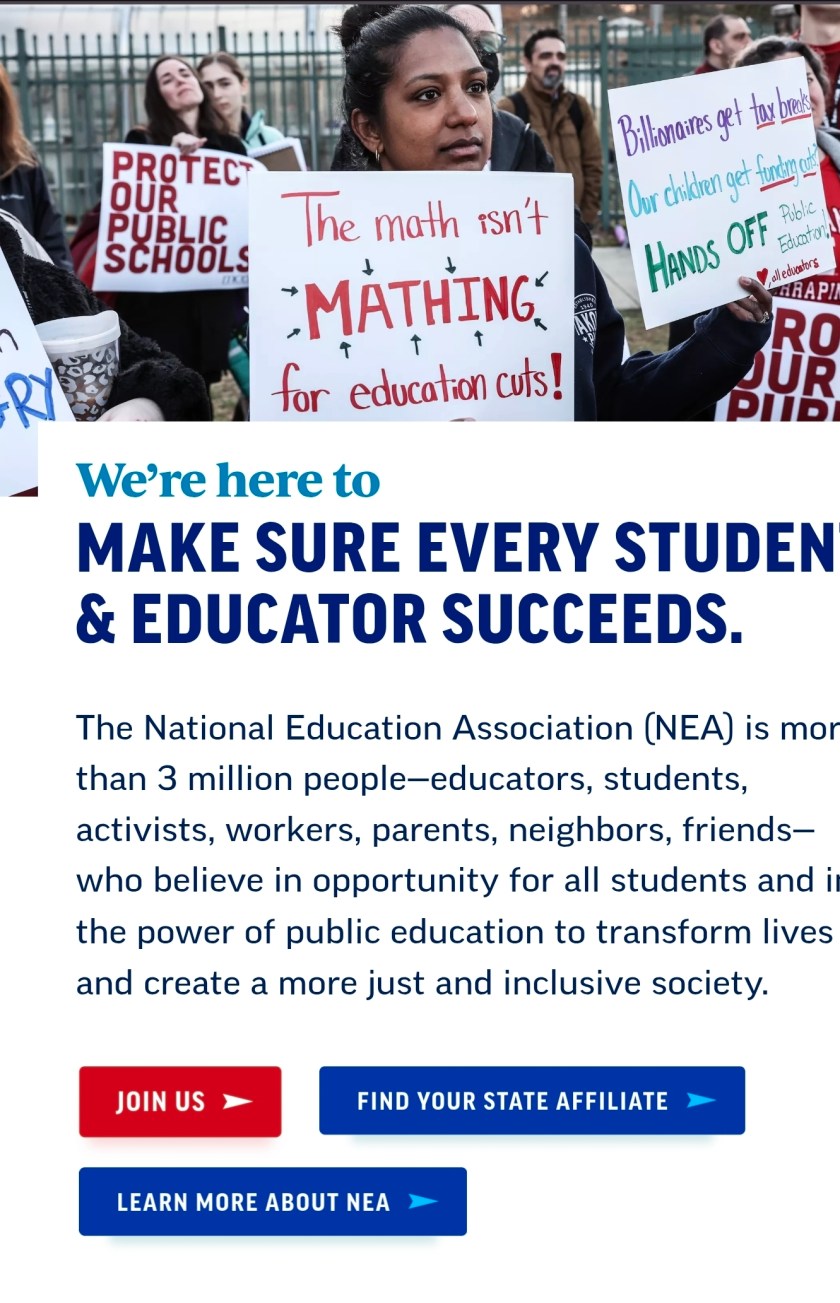
From my extensive experience teaching in public schools, I know how essential funding is for the many programs and resources that support our teachers and staff in ensuring our children’s educational success…
We count on local, state, and federal funding…School Choice is a parent’s option…Parents definitely have that right…
Federal funds meant for public schools have historically been allocated to private schools, which undermines their ability to provide those essential resources and staff..
Historically, this movement began here in Florida when “No Child Left Behind” was implemented, under the leadership of Jeb Bush as Governor of Florida…
There’s nothing ‘conservative’ about giving away billions in tax dollars without accountability
By Laura Hine | Contributor Oct. 8, 2025…
When my older son was four years old, I drove him every day to the most prestigious private preschool in town. Along the way, we passed our neighborhood’s public elementary school, which had been rated a “D” under Florida’s grading system. No one in my circle of friends considered sending their kids there.
But I had graduated from Florida public schools, and a thought gnawed at my conscience: “If this school is not good enough for my kids, it’s not good enough for anyone’s kids.” One day the school’s billboard advertised an open house and I decided to go. The principal was bright-eyed, full of ideas and clearly quite capable. So were the teachers. I talked with families who were similar to mine and ones who were different as our children ran around the playground together. It felt like America. And I loved it…
We hear a lot of talk about the importance of “parental choice” in education. That evening, my husband and I made a choice of our own: to improve our public schools instead of abandoning them. We enrolled our two sons and got to work – volunteering, promoting family engagement, organizing fundraisers and serving as president of the PTA – all to make the school the best place it could be not just for our children, but for the community.
After five years of learning from teachers, parents and administrators at our elementary school, I was elected to the Pinellas County School Board in Tampa Bay, one of the 30 largest school districts in the country with more than 90,000 students. I now serve as board chair. After years in our public schools and a lifetime of other experiences – from serving as a U.S. Naval officer deployed to the Middle East to overseeing construction of a new terminal at Tampa International Airport – I know in my bones and from the people I’ve worked with in the military and the private sector that public schools are the common fabric that binds us together as Americans..
Unfortunately, that fabric is fraying in many states today – and especially in my home state of Florida, where a “universal voucher” program was adopted two years ago. Universal vouchers allow any parents – regardless of income and regardless of their students’ needs – to receive taxpayer money for private school tuition or homeschooling. The price is staggering – it will cost our state $4.9 billion in taxpayer money this year from the Florida Tax Credit and the Florida Empowerment Scholarship. That money is being funneled to private schools and homeschoolers instead of public schools, and it’s causing a statewide budget crisis that threatens all of our public services…
Currently, more than a dozen states from Alabama to Texas have universal voucher programs. (The first-ever federal voucher program was signed into law in July by President Donald Trump.)
The ill-conceived universal “school choice” policy may be coming for your public schools soon. So it’s important to learn from Florida’s mistakes. Sunshine state taxpayers spent $1.2 billion on vouchers in 2023; that will more than quadruple to $4.9 billion in 2026, and it’s a primary reason that state planners forecast a $6.9 billion budget deficit in 2028.
Whether you support or oppose vouchers, this is the reality: The cost of vouchers to your state will require tax increases, budget cuts or both. And it’s all for a scheme that doesn’t require any proof that voucher students are doing as well as or better than their public school peers. Billions in tax dollars are being given away without performance standards and without financial accountability. In other words, universal school vouchers are giving taxpayer money to private schools that are not held to the same standards as our public schools…
First, let’s talk about academic standards. Every public school student in Florida takes the same standardized tests and every public school is awarded a grade. If your public school is struggling, parents know it. Private schools that receive vouchers do not receive statewide grades. They can administer any of 28 assessment tests instead of the statewide assessment required of public schools. That means there’s no statistically accurate way to compare performance at public schools and private voucher schools. What’s good for the goose should be good for the gander – does Florida believe in their education standards or not? Schools that receive vouchers should not be exempt from the high standards we demand of public schools that receive taxpayer money.
Florida law says our public schools must have certified teachers, be academically accredited and have transparent accounting. Tax-funded vouchers carry no such requirements. Of 146 private schools in my home county as of September, 71% are unaccredited by any academic agency. That percentage is even higher for the 3,515 private schools across Florida. Parents might think their kids will get a better education outside of public school systems, but the reality is, we just don’t know.
Second, let’s talk about fiscal responsibility. Public school budgets and contracts are subject to school board approval and are available for anyone to review; we know how every tax dollar is spent in public education. In contrast, private schools that get vouchers do not face the same rules. They should be required to open their financial books and be accountable for how every taxpayer dollar is spent…
The origin of taxpayer-funded vouchers in Florida dates back to 1999, when they were directed to low-income families and students with disabilities who were attending public schools that didn’t meet their needs. A program that began with noble intentions for a select few with the greatest needs has morphed into vouchers for anyone, regardless of family income or special needs. There is no cap on how many vouchers the state hands out, no meaningful safeguards that the money is well spent and no assurance that the recipient is being well educated.
Right now, each voucher recipient in Florida receives roughly $9,000 annually toward tuition. It’s a blank check from taxpayers with no limits and no oversight. Why are we giving away our tax dollars without asking questions? Why is it permissible to spend taxpayer money on alleged “educational benefits” for homeschoolers, such as trips to Disney World, backyard renovations, video game systems or big-screen TVs?
So-called “school choice” advocates portray vouchers as a “conservative” education policy, but there is nothing conservative about giving away billions in tax dollars without accountability.
Look at my school district. Five years ago, Pinellas County paid for fewer than 5,000 vouchers when the program was limited to low-income students or students with special needs or disabilities. Under the expanded voucher law this year, our county is now paying for more than 21,000 vouchers at an estimated price tag of $182 million – more than five times the cost five years ago…
The truth is that the vast majority of today’s universal voucher recipients – thousands in my county and more than a quarter million in Florida – were already in private schools or homeschooled before they started getting vouchers. The 2023 universal vouchers program didn’t encourage “school choice;” it merely awarded taxpayer money to subsidize families for a choice they had already made – and which they were already paying for themselves.
Taking advantage of vouchers for private schools is harder for disadvantaged families due to language, financial and transportation barriers. That disparity allows well-off families to get subsidies for sending their kids to private schools or homeschooling, while disadvantaged children are left in poorly funded public schools.
Families who could afford private school before should not be receiving taxpayer dollars to defray their tuition bills now. Florida can’t afford it. To get the state financial deficit under control, Florida – and the nation – must reduce free-for-all spending and implement a responsible income cap on vouchers.
Since 1647, the schooling of children has been funded by taxpayers in what is now the United States. Public education, accessible to all, is a bedrock principle of this country and one of the greatest privileges we have as citizens. Providing a high-quality education to all is in our state constitution.
State leaders should embrace, invest in and lead our public schools with vigor – not disparage and divest resources from them. But the more families that use vouchers, the less funding that public schools receive from the state, crippling their ability to provide quality education, facilities and resources to their students…
Another critical point: While public schools cannot turn away students, private schools can. Some have extremely selective admissions processes, which have the potential to mimic racial and economic segregation. I came of age in recently integrated public schools in Tampa, and looking back, I know that studying alongside and being friends with people from different communities made me a better leader in the military and in my work, a better neighbor and a better citizen. When we know one another, we care about each other and will fight for one another, too. This is not “woke-mind DEI;” this is national security.
These are our schools and our tax dollars. Contact your legislators. Tell them education money should come with academic and fiscal accountability. Then go visit your local public school and ask what you can do to ensure all children have opportunities for excellence. That, my friends, will make for a brighter future.
Remember that “D” grade given to the school I drove by every morning a decade ago? Just a few weeks ago, that neighborhood school – the one that our family chose to attend and worked to support – earned an “A” from the state of Florida. That’s what happens when we invest in and weave the rich fabric of our nation, rather than let it fray. America was built on our belief in universal education, not universal vouchers…
Laura Hine, who is not affiliated with any political party, is chair of the Pinellas County, Florida, School Board. She is a graduate of the U.S. Naval Academy and earned an MBA in finance from the University of South Florida. Her two children attend Pinellas public schools..
Florida’s Commissioner of Education Anastasios Kamoutsas says he’s outraged with the Alachua County School Board, and says they’re not putting students first.
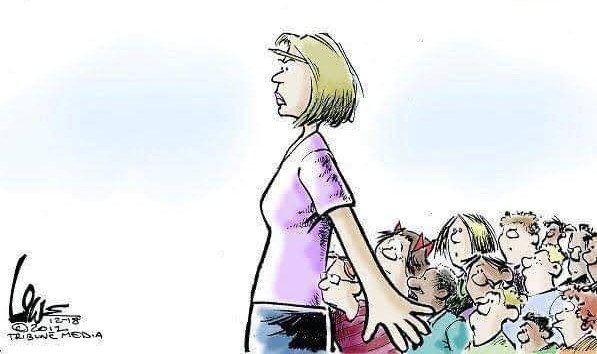
In my former school district in Alachua County, Gainesville, Florida, this situation is beyond words. Some of my former friends and colleagues are still teaching our precious children and facing the authoritarian control of our public schools…
Board meeting Published: Oct. 7, 2025
The school board had a special guest at its Tuesday meeting — Florida Commissioner of Education Anastasios Kamoutsas.
Kamoutsas’ visit followed the Florida State Board of Education’s decision to summon Tina Certain, vice chair of the school board, during its Sept. 24 meeting due to a social media post she made about Charlie Kirk’s memorial…
I trust our school board to prioritize the needs of our children. Political divisiveness should not exist.
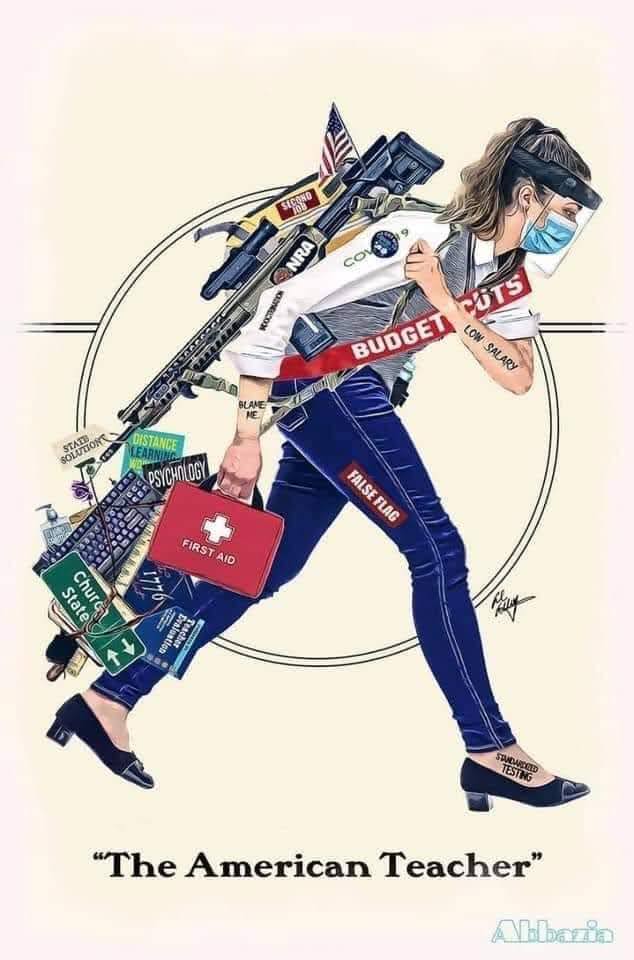
Florida plans to end vaccine mandates statewide, including for schoolchildrenThe American Teacher…
During my 38 years of teaching, I retired 10 years ago. Even with vaccine mandates in place, we would still get sick occasionally. One particular year stands out: I had the flu while teaching my little first graders, and I was also dealing with pneumonia. Our custodial staff, who were understaffed, struggled to keep up with all the necessary protocols. I truly admired how vigilant they were…
And then after retiring…Covid came along…Schools understaffed, divisive political climate…💕🌈🙏🏼😷
Present Day…Divisive Authoritarian Mandates….
Florida plans to end vaccine mandates statewide, including for schoolchildren By Deidre McPhillips Shawn Nottingham
Florida Surgeon General Dr. Joseph Ladapo said Wednesday that the state will work toward ending all vaccine mandates, which would include those for school enrollment. Florida Surgeon General Dr. Joseph …
Florida will move to end all vaccine mandates in the state, Florida Surgeon General Dr. Joseph Ladapo announced Wednesday.
The move would make Florida the first state to end a longstanding – and constitutionally upheld – practice of requiring certain vaccines for school students.
The state health department will immediately move to end all non-statutory mandates in the state, Ladapo said at a news conference. Florida Gov. Ron DeSantis, who was also at the event, said state lawmakers would then look into developing a legislative package to end any remaining mandates.
Ladapo said that every vaccine mandate “is wrong and drips with disdain and slavery.”
All 50 states have had school immunization requirements since the beginning of the 1980s, with incoming kindergartners needing shots to protect against diseases including measles, polio and tetanus. No states require a Covid-19 vaccine for schoolchildren…
All states allow medical exemptions from these school vaccine mandates, and most also allow for exemptions due to personal or religious beliefs. Exemption rates have been on the rise for years in the US, with a record share of incoming kindergartners skipping the required shots in the 2024-25 school year.
Florida’s school vaccine exemption rate last school year– about 5% – was higher than the national average, data from the US Centers for Disease Control and Prevention shows, and nearly all were for nonmedical reasons.
“We are concerned that today’s announcement will put children in Florida public schools at higher risk for getting sick, which will have a ripple effect across our communities,” Dr. Rana Alissa, president of the Florida Chapter of the American Academy of Pediatrics, said in a statement.
“For many kids, the best part of school is being with friends – sharing space, playing on the playground, and learning together. Close contact makes it easy for contagious diseases to spread quickly,” she said. “When everyone in a school is vaccinated, it is harder for diseases to spread and easier for everyone to continue learning and having fun. When children are sick and miss school caregivers also miss work, which not only impacts those families but also the local economy.”
A study published last year by the CDC estimated that routine childhood vaccinations – such as those included in school mandates – will have prevented about 508 million illnesses, 32 million hospitalizations and 1,129,000 deaths among children born between 1994 and 2003. They also were estimated to avert $540 billion in direct costs.
Ladapo said that vaccination should be an individual choice.
“People have a right to make their own decisions, informed decisions,” he said. “What you put into your body is because of your relationship with your body and your god. I don’t have that right. Government does not have that right.”
But experts say that freedom comes with responsibilities
“We’re all routinely subject to rules that enable us to live together safely, and I personally want those rules in place to protect me and the people I care about. We abide by speed limits, traffic lights, infant car seat and seatbelt laws – all requirements that have expanded over the years as safety technology and engineering has improved,” said Dr. Kelly Moore, president and CEO of immunize.org, a nonprofit organization focused on vaccine access.
“I share with many other people the belief that all children who are required to attend school should also have a right to the best possible defense from vaccine-preventable diseases while they are there,” she said.
Some vaccine mandates in Florida can be rolled back unilaterally by the state health department, Ladapo said, but others will require coordination with lawmakers.
Experts who oppose the move to end vaccine mandates emphasize that the change is not final and that timing is critical.
With the announcement coming after the start of the school year, Floridians will have a chance to experience and reflect on what a year of low vaccination coverage looks like, Moore said..
“This timing gives leaders several months to reconsider whether this is what’s best for Florida families. It’s quite likely that Floridians will have reasons to regret that decision as time goes by and outbreaks disrupt learning,” she said.
The American Medical Association “strongly opposes” the plan to end vaccine mandates, Dr. Sandra Adamson Fryhofer, an internal medicine physician and member of the professional organization’s board of trustees, said in a statement.
“This unprecedented rollback would undermine decades of public health progress and place children and communities at increased risk for diseases such as measles, mumps, polio, and chickenpox resulting in serious illness, disability, and even death,” she said. “While there is still time, we urge Florida to reconsider this change to help prevent a rise of infectious disease outbreaks that put health and lives at risk.”








 Janis Sexton...Teacher...Advocate